Jaipur, the vibrant capital of Rajasthan, is a city steeped in history and architectural splendor. At the heart of its royal legacy lie the magnificent forts – imposing structures that have stood the test of time, bearing witness to centuries of Rajput valor and grandeur. These forts in Jaipur are not mere monuments; they are living testaments to the city’s rich cultural heritage, inviting you to step back in time and immerse yourself in the stories of kings, queens, and legendary battles.
As you set out to explore the forts of Jaipur, prepare to be awed by their sheer scale, intricate designs, and the breathtaking views they offer of the city and its surroundings. From the iconic Amer Kila to lesser-known gems like Chandragupt Fort, each of these architectural marvels has a unique tale to tell. Join us as we embark on a journey through Jaipur’s majestic forts, uncovering the secrets and legends that lie within their walls.
1. Amber Fort (Amer Kila)
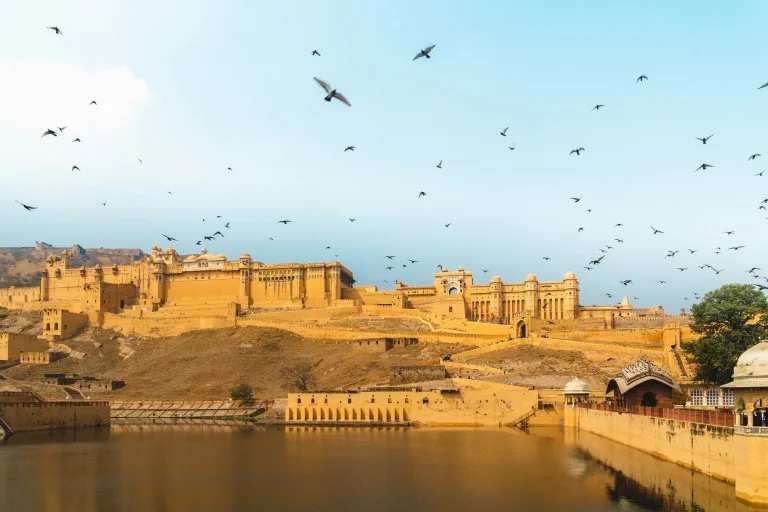
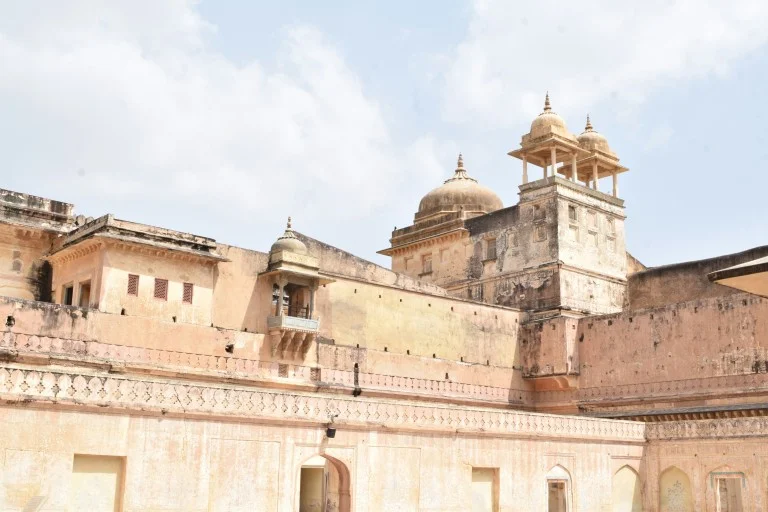
One of the most famous landmarks in Jaipur, Amber Fort (or Amer Kila) is a majestic blend of Hindu and Mughal architectural styles. Built in the 16th century by Raja Man Singh I, the fort is renowned for its grand courtyards, intricate carvings, and hilltop views.
Inside the fort, don’t miss the Sheesh Mahal in Jaipur, or the Mirror Palace, where thousands of reflective tiles shimmer in candlelight. Visitors often enjoy elephant rides or jeep ascents to the fort, followed by the evening light and sound show that brings Jaipur’s history to life.
As you explore further, you’ll come across the Diwan-e-Khas, or the Hall of Private Audience, where the Maharaja would hold court with his ministers and trusted advisors. The hall features delicate marble carvings and inlaid precious stones, a testament to the opulence and craftsmanship of the Rajput era.
For a truly immersive experience, consider taking an elephant ride up to the fort or attending the light and sound show held in the evenings. The show brings the fort’s history to life through a captivating narrative and stunning visual effects, transporting you back to the days of Rajput glory.
Insider Tip: To avoid the crowds, plan your visit to Amer Fort early in the morning or late in the afternoon. The fort looks particularly stunning during the golden hours when the sun casts a warm glow on its sandstone walls.
2. Jaigarh Fort
Sitting atop the Aravalli Hills and connected to Amer Kila via subterranean passages, Jaigarh Fort was designed for defense and military operations. It houses the Jaivana, the world’s largest cannon on wheels, and offers sweeping views of the surrounding terrain.
Though less ornate than other structures, its rugged construction and historical artifacts provide a deeper understanding of Rajasthan’s military legacy. Jaigarh is ideal for those who want to explore the more strategic side of Jaipur’s heritage.
One of the most impressive features of Jaigarh Fort is the Jaivana Cannon, a colossal artillery piece that is considered to be the world’s largest cannon on wheels. The cannon, which weighs a staggering 50 tons, was used to defend the fort against enemy attacks and could fire cannonballs weighing up to 50 kilograms.
As you explore the fort’s many palaces and courtyards, you’ll come across the Laxmi Vilas, a beautiful palace that once served as the residence of the royal family. The palace features intricate carvings and frescoes, offering a glimpse into the opulent lifestyle of the Rajput rulers.
Jaigarh Fort also houses an impressive armory museum, which displays a fascinating collection of weapons and armor used by the Rajput warriors. From swords and daggers to shields and helmets, the museum offers a unique insight into the military prowess of the Rajputs.
Insider Tip: Don’t miss the opportunity to take a camel ride around the fort’s perimeter. The ride offers stunning views of the surrounding Aravalli Hills and is a great way to experience the fort from a different perspective.
3. Nahargarh Fort
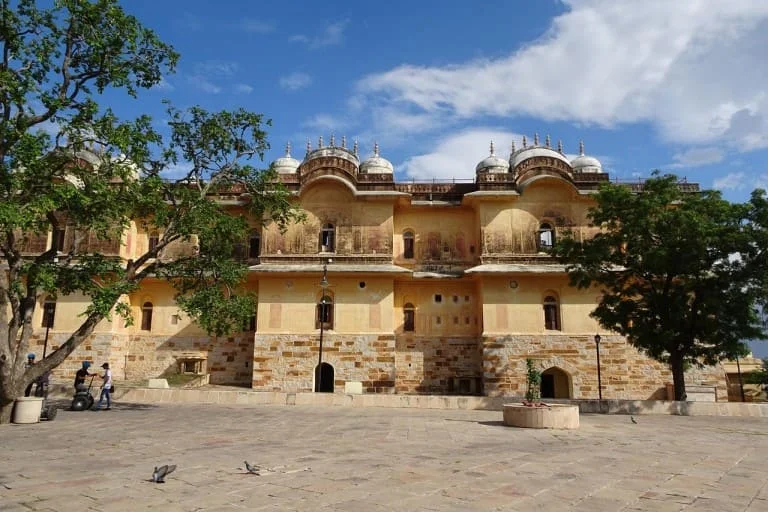
Perched on the edge of the Aravalli hills, Nahargarh Fort was built in 1734 and served as a retreat for the royal family. The fort offers a scenic vantage point over the city, particularly during sunrise and sunset.
One of the most stunning features of Nahargarh Fort is the Madhavendra Bhawan, a palace complex that was built for the queens and their attendants. The palace features a series of interconnected rooms and courtyards, each adorned with intricate frescoes and carvings.
As you explore the fort, be sure to make your way to the ramparts, which offer breathtaking views of the city below. The fort is particularly beautiful during sunset when the pink hues of the city blend with the golden sky, creating a truly mesmerizing sight.
Today, Nahargarh Fort is also known for its rooftop cafes and restaurants, which offer a unique dining experience with stunning views of the city. Sipping on a cup of masala chai while watching the sun dip below the horizon is an experience that will stay with you long after you leave Jaipur.
Insider Tip: If you’re visiting Nahargarh Fort during the monsoon season (July to September), be sure to catch a glimpse of the lush green hills surrounding the fort. The rains transform the arid landscape into a verdant paradise, making for a truly spectacular sight.
4. City Palace
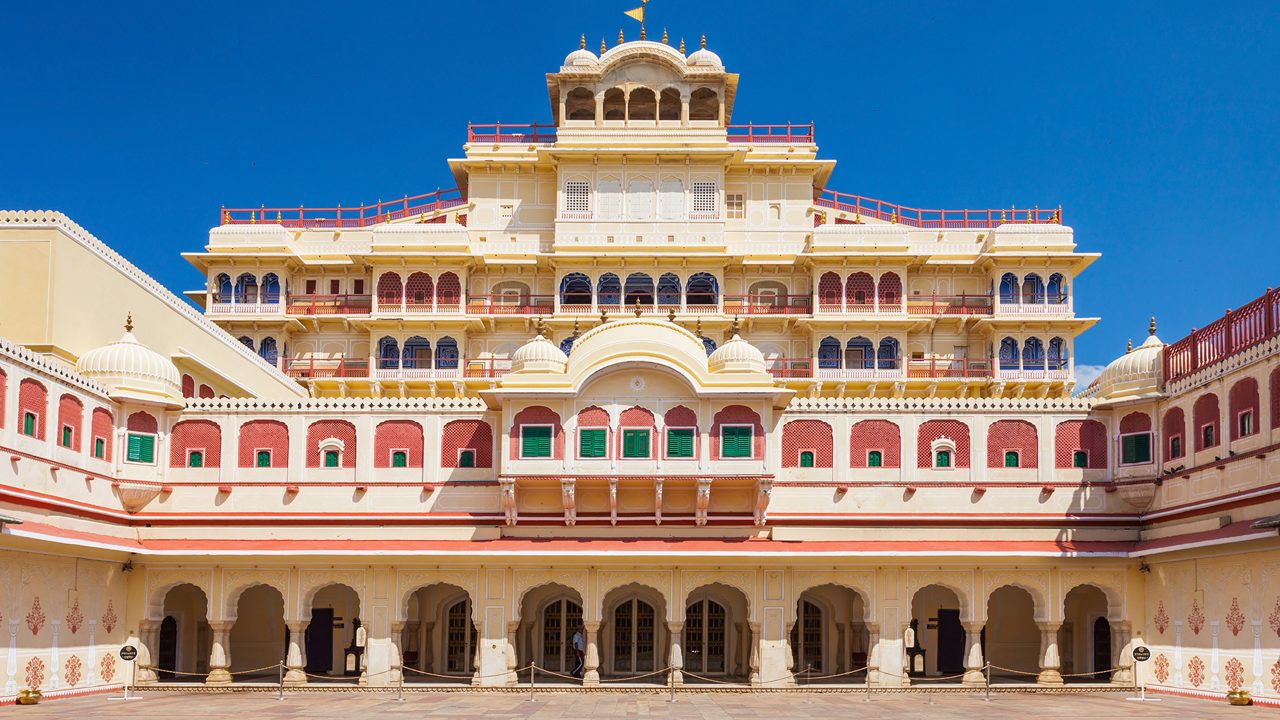
Situated in the heart of the Pink City, City Palace is a magnificent blend of Rajput, Mughal, and European architecture. Unlike the hilltop fortresses of Jaipur, this palace complex was built as a royal residence and administrative center by Maharaja Sawai Jai Singh II in the early 18th century. Though not a fort in the traditional sense, its scale, significance, and design firmly place it among the most impressive royal structures in Jaipur.
One of the most striking features of City Palace is the four seasonal gates in the Pritam Niwas Chowk courtyard—each representing a different season and deity. These ornately decorated gates are favorites among photographers and Instagrammers for their vibrant colors and symbolic art.
Insider Tip: For a truly memorable experience, opt for the Royal Grandeur or Royal Splendor ticket. While most visitors only access the outer courtyards and museums, this premium ticket gives you entry to private royal quarters, including the beautifully preserved blue rooms of the Chandra Mahal. You’ll walk through active royal chambers filled with antiques, crystal chandeliers, and original frescoes—usually off-limits to standard ticket holders.
5. Chandragupt Fort
A lesser-known fort nestled in rugged hills, Chandragupt Fort is shrouded in historical mystery and believed to pre-date Jaipur’s founding. Its raw, undeveloped charm appeals to trekkers and offbeat travelers seeking untouched heritage.
Still being studied and excavated, this site is ideal for those curious about ancient fortifications and hidden stories that don’t appear in most guidebooks. It’s a rare opportunity to explore one of Jaipur’s true hidden gems.
The fort is believed to have been built by the Mauryan Emperor Chandragupta, who is said to have spent his final years here as an ascetic. As you explore the fort’s crumbling walls and ancient ruins, you can almost feel the weight of history bearing down upon you.
One of the most intriguing features of Chandragupt Fort is the network of tunnels and caves that lie beneath its surface. These subterranean passages are believed to have been used by the fort’s inhabitants to escape during times of siege and are a testament to the ingenuity and resourcefulness of the ancient Rajputs.
Insider Tip: Chandragupt Fort is a great destination for trekkers and nature lovers. The fort is surrounded by lush green hills and offers several hiking trails that wind through the rugged terrain, offering stunning views of the surrounding landscape.
6. Bishangarh Fort
Once a 230-year-old warrior fort, Bishangarh Fort in Jaipur has been masterfully restored into a luxury heritage hotel. Now operated as Alila Fort Bishangarh, this majestic structure sits atop a granite hill and offers panoramic views of the surrounding countryside.
Although it’s no longer a public-access monument, guests can enjoy royal hospitality, gourmet dining, and immersive historical ambiance. Staying here is not just about luxury—it’s about living inside a piece of history.
One of the highlights of a stay at Bishangarh Fort is the opportunity to dine like royalty. The fort’s restaurants serve up a range of delectable Rajasthani and international cuisines, using locally sourced ingredients and traditional cooking techniques. Dining under the stars on the fort’s ramparts is an experience that will stay with you long after you leave.
The fort also offers a range of experiences and activities, from heritage walks and cooking classes to spa treatments and yoga sessions. Guests can also explore the surrounding countryside on foot or by bike, discovering hidden temples, villages, and natural wonders.
Insider Tip: For a truly immersive experience, book a stay in one of the fort’s tented suites. These luxurious tents offer all the comforts of a modern hotel room, while allowing you to feel closer to nature and the fort’s rich history.
Things to Do at Jaipur Forts
The forts of Jaipur are more than just historic sites—they are immersive experiences waiting to be explored. From royal walks to sunset views, here are the top things you can do while visiting these majestic landmarks:
- Attend a light and sound show at Amer Kila
- Take an elephant or jeep ride to Amber Fort
- Watch the sunset from Nahargarh Fort’s rooftop café
- Explore ancient weaponry at Jaigarh’s armory museum
- Trek offbeat paths around Chandragupt Fort
- Book a royal stay at Bishangarh Fort in Jaipur
- Join a photography tour of heritage sites
- Dine at cafés and restaurants located within palace grounds
- Shop for local handicrafts in the surrounding markets
Walk through royal corridors and timeless traditions. Start your regal getaway with Rajasthan tour packages.
Top FAQs About Jaipur Forts
Which fort in Jaipur has the Sheesh Mahal?
Amber Fort (Amer Kila) features the iconic Sheesh Mahal in Jaipur, where mirrored walls and ceilings dazzle with reflected light.
What is Amer Kila famous for?
Amer Kila is known for its majestic architecture, mirrored halls, scenic hilltop location, and cultural performances including the light and sound show.
Is Bishangarh Fort open to the public?
Bishangarh Fort in Jaipur is now a luxury hotel and not open for general public visits. However, you can stay overnight or book a dining experience to explore its interiors.
Are guided tours available for Jaipur forts?
Yes, guided tours are available at major locations like Amber, Jaigarh, Nahargarh, and City Palace. Many are also part of curated Jaipur tour packages.
How much does it cost to enter Amber Fort?
Entry for Indian citizens is approximately ₹100, while foreign tourists may pay around ₹500. Combo tickets are often available for multiple attractions.
Are there any free forts or parts of forts you can visit?
Some areas around Nahargarh Fort and outer zones of Jaigarh are accessible without a ticket. However, full access typically requires a nominal fee.
What are the opening hours for Jaipur forts?
Most forts open around 9:00 AM and close by 5:30 or 6:00 PM. It’s best to visit early to avoid crowds and afternoon heat.
Is it safe to visit forts with children or elderly people?
Yes, but choose your destinations wisely. Forts like City Palace and Amber Fort have better accessibility. Rugged areas like Chandragupt Fort may require extra caution.
Are there food and restroom facilities at the forts?
Yes, most major sites have restrooms and cafés. Amber Fort, Nahargarh, and City Palace offer full-service restaurants and clean facilities.
Can I do a photography or pre-wedding shoot at Jaipur forts?
Yes, but prior permission and fees may be required for professional shoots. Forts like Amer and City Palace are especially popular for pre-wedding photography.